
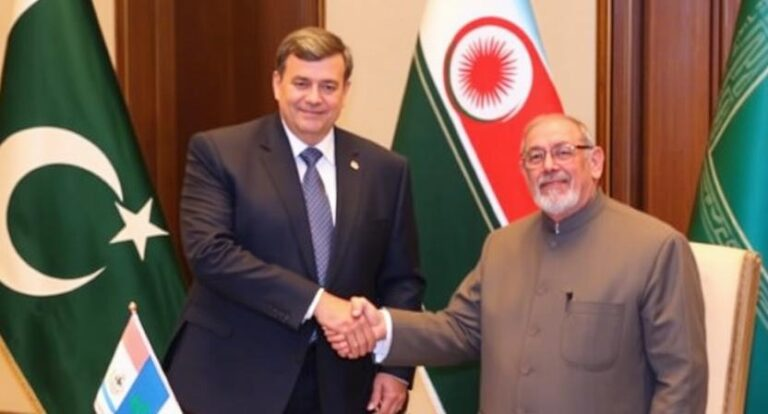
The two countries are significantly enhancing their bilateral relationship in the realm of trade, aviation, pharmaceuticals, and tourism. Both countries had entered into a Memorandum of Understanding during the 8th Review Session of Pakistan-Uzbekistan Cooperation in Islamabad. The signing of this historic agreement was done by TIF-Helexpo CEO Dr. Kyriakos Pozrikidis, Vojvodina’s Provincial Secretary for Economy and Tourism Nenad Ivanišević, and Novi Sad Fair CEO Slobodan Cvetcović; it unites key stakeholders in both nations toward the path of economic growth, tourism development, and business exchanges. The MoU underscores the increasing importance of tourism as a major driver for economic cooperation between Pakistan and Uzbekistan.
Tourism Collaboration: Expanding Travel and Tourism Opportunities
Tourism has emerged as a key area of cooperation between Pakistan and Uzbekistan, with both countries eager to increase tourist arrivals and cultural exchanges. The MoU highlights plans to promote tourism between the two nations, tapping into Uzbekistan’s rich historical sites, including its UNESCO World Heritage cities like Samarkand, Bukhara, and Khiva, and Pakistan’s iconic attractions such as Lahore, Islamabad, and Karimabad. As both countries continue to improve tourism infrastructure, the MoU sets the foundation for a strategic partnership that can enhance tourism flows, sustainable travel, and cultural tourism in both regions.
Pakistan and Uzbekistan have identified the importance of collaborating on tourism promotion, particularly focusing on agritourism, cultural tourism, and eco-tourism. With Vojvodina’s strong agricultural sector and Uzbekistan’s rich cultural heritage, the partnership is expected to unlock new tourism pathways, attracting more visitors seeking immersive experiences. Tourism-focused initiatives will likely involve joint promotional campaigns, collaborative travel packages, and the development of tourism corridors that link key cities and attractions in both countries.
The Role of Aviation in Boosting Tourism and Business Travel
A significant aspect of the MoU is the enhancement of aviation connectivity between Pakistan and Uzbekistan. The Uzbek side has expressed interest in initiating direct flights from Karachi to Tashkent, and Haroon Akhtar Khan, Pakistan’s SAPM on Industries and Production, emphasized the need for stronger air links to unlock commercial and tourism opportunities.
Direct flights between Pakistan and Uzbekistan would facilitate business travel and tourism between the two countries, providing greater access to key trade hubs and tourist destinations. By improving air connectivity, both countries aim to boost the travel sector, allowing tourists to explore Uzbekistan’s historic cities, Pakistan’s natural wonders, and cultural landmarks with ease. Pakistani tourists would benefit from seamless travel to Uzbekistan, particularly to Silk Road destinations, while Uzbek travelers would have easier access to Pakistan’s attractions, including mountain resorts and cultural festivals.
Pharmaceutical and Economic Growth Synergies for Tourism
The MoU also underscores the growing collaboration in the pharmaceutical sector, with potential implications for medical tourism. Uzbekistan’s Pharma Park model has been praised by Pakistani representatives, and the possibility of replicating this model in Pakistan could boost medical tourism in both countries. By creating stronger synergies between the pharmaceutical industries, Pakistan and Uzbekistan can establish themselves as medical tourism destinations, offering travelers wellness tourism, healthcare services, and holistic treatments as part of their cultural and leisure visits.
Additionally, strengthening the banking sector with more accessible financial services for tourists and businesses will further facilitate tourism exchanges. Easier transactions will enable smoother tourism-related spending, benefiting local businesses in both Uzbekistan and Pakistan.
Strengthening Cultural and Business Tourism
Cultural tourism has always been at the heart of both Uzbekistan’s and Pakistan’s tourism appeal. With Uzbekistan’s Silk Road cities, historic mosques, palaces, and medieval structures, and Pakistan’s historical forts, bazaars, and archaeological sites, both countries offer unique, culturally rich experiences that attract tourists seeking history and authenticity. The cooperation outlined in the MoU will enhance the promotion of cultural tourism, encouraging more cultural exchange and joint tourism projects that highlight each country’s rich heritage.
Business tourism, particularly in sectors such as agriculture, mining, manufacturing, and textiles, will also be a key focus of the bilateral partnership. As the tourism sector continues to expand, the two countries can offer business travelers opportunities to connect at exhibitions, conferences, and seminars, establishing stronger trade links between Pakistan and Uzbekistan.
Expanding Regional Tourism with Land and Railway Connectivity
The session also focused on improving land and railway connectivity to enhance regional tourism within Central Asia and South Asia. Pakistan is working on becoming a regional trade hub, and the Trans-Afghan Railway Project will serve as a game-changer, connecting Afghanistan to Pakistan’s rail network and providing further access to Central Asia. This new connectivity will allow tourists from Uzbekistan and Pakistan to travel more easily across borders, creating more opportunities for tourism collaboration in the region.
Additionally, strengthening the banking sector with more accessible financial services for tourists and businesses will further facilitate tourism exchanges. Easier transactions will enable smoother tourism-related spending, benefiting local businesses in both Uzbekistan and Pakistan.
Strengthening Cultural and Business Tourism
Cultural tourism has always been at the heart of both Uzbekistan’s and Pakistan’s tourism appeal. With Uzbekistan’s Silk Road cities, historic mosques, palaces, and medieval structures, and Pakistan’s historical forts, bazaars, and archaeological sites, both countries offer unique, culturally rich experiences that attract tourists seeking history and authenticity. The cooperation outlined in the MoU will enhance the promotion of cultural tourism, encouraging more cultural exchange and joint tourism projects that highlight each country’s rich heritage.
Business tourism, particularly in sectors such as agriculture, mining, manufacturing, and textiles, will also be a key focus of the bilateral partnership. As the tourism sector continues to expand, the two countries can offer business travelers opportunities to connect at exhibitions, conferences, and seminars, establishing stronger trade links between Pakistan and Uzbekistan.
Expanding Regional Tourism with Land and Railway Connectivity
The session also focused on improving land and railway connectivity to enhance regional tourism within Central Asia and South Asia. Pakistan is working on becoming a regional trade hub, and the Trans-Afghan Railway Project will serve as a game-changer, connecting Afghanistan to Pakistan’s rail network and providing further access to Central Asia. This new connectivity will allow tourists from Uzbekistan and Pakistan to travel more easily across borders, creating more opportunities for tourism collaboration in the region.
By investing in land and rail infrastructure, Pakistan and Uzbekistan will not only increase tourist mobility but also foster economic growth through easier access to cultural attractions and business hubs across both countries.
Enhancing Bilateral Cooperation for Sustainable Tourism Growth
The Memorandum of Understanding between Pakistan and Uzbekistan is a major step in enhancing bilateral cooperation and tourism development. It aims to build a sustainable tourism model that promotes cultural exchange, regional connectivity, and eco-friendly travel. The collaboration will improve access to key tourist destinations in both countries, promote business tourism, and provide further opportunities for cultural engagement and economic prosperity.
As both countries continue to expand their tourism offerings, the MoU will build on this future growth, helping to build a stronger, more interconnected tourism corridor between Central Asia and South Asia. This partnership will further facilitate the ability of Pakistani and Uzbekistani travelers to explore more places, connect through improved air links, and experience the rich cultural legacies that both nations have to offer.
Source: Travel and Tour World
 Asian - Dispatch
Leave a comment