
Cabinet committee reviews aviation sector concerns as fuel surge threatens competitiveness of local carriers
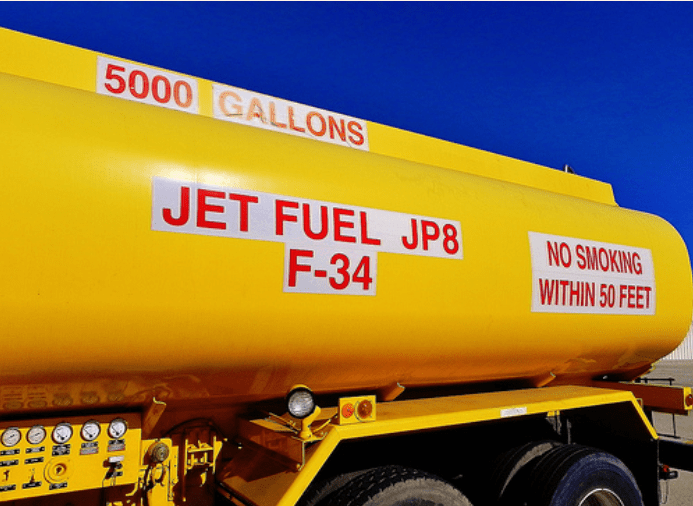
A sharp increase in jet fuel prices has raised operating costs for Pakistani airlines, with officials warning that the current pricing structure could weaken the competitiveness of the country’s aviation sector. The issue was discussed during a meeting of the Cabinet Committee formed by the prime minister to monitor fuel prices, chaired by Finance Minister Muhammad Aurangzeb on Monday.
Officials informed the committee that the price of Jet-A1 fuel increased from about Rs166 per litre to around Rs290 per litre, representing a rise of nearly 75%. Aviation fuel accounts for 30–40% of airline operating costs, meaning the price increase has significantly altered the cost structure of local carriers.
Officials noted that airlines cannot immediately pass on the higher costs to passengers because tickets are often sold months in advance, limiting their ability to adjust fares in the short term.
The meeting was also told that foreign airlines have a competitive advantage, as they often benefit from lower fuel prices at their home hubs, fuel hedging arrangements and broader international networks.
Officials warned that without policy adjustments, the current jet fuel pricing framework could shift international passenger traffic toward foreign carriers and affect the viability of Pakistani airlines.
The Finance Division said the committee took note of the operational concerns raised by aviation and logistics sector stakeholders and directed authorities to conduct a detailed review and present a comprehensive assessment at the next meeting.
The committee also reviewed developments in the energy sector and examined national petroleum stock levels, crude imports and supply logistics.
Participants were briefed on current inventories of crude oil and refined petroleum products, ongoing import arrangements and shipments currently en route to Pakistan.
The committee noted that petroleum product stocks remain at comfortable levels, with multiple cargoes and import arrangements in place to maintain supply in the coming weeks.
Officials also briefed members on recent volatility in global crude oil and refined product prices linked to geopolitical developments in the region.
The committee reviewed international market indicators and possible scenarios for global energy markets, noting that the government is closely monitoring price trends and undertaking scenario planning to protect domestic energy security.
Members also examined logistical arrangements related to crude imports, refinery operations and maritime transportation, including coordination with international suppliers.
Authorities informed the meeting about measures being taken to facilitate cargo movements and ensure uninterrupted operations of refineries and supply infrastructure.
The committee stressed the importance of maintaining optimal refinery throughput and coordination among stakeholders to sustain fuel availability.
Source: Profit Pakistan
 Asian - Dispatch
Leave a comment